People
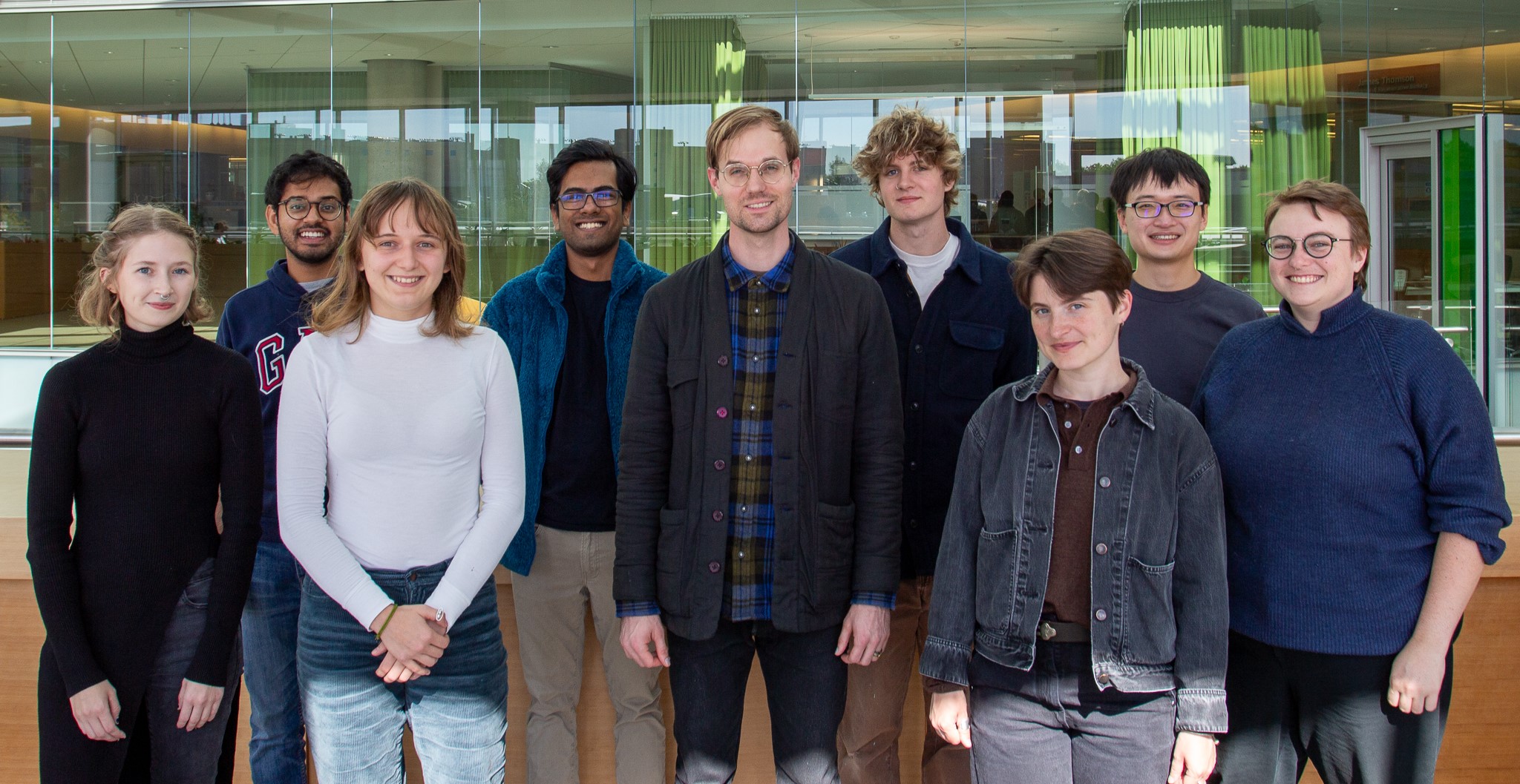
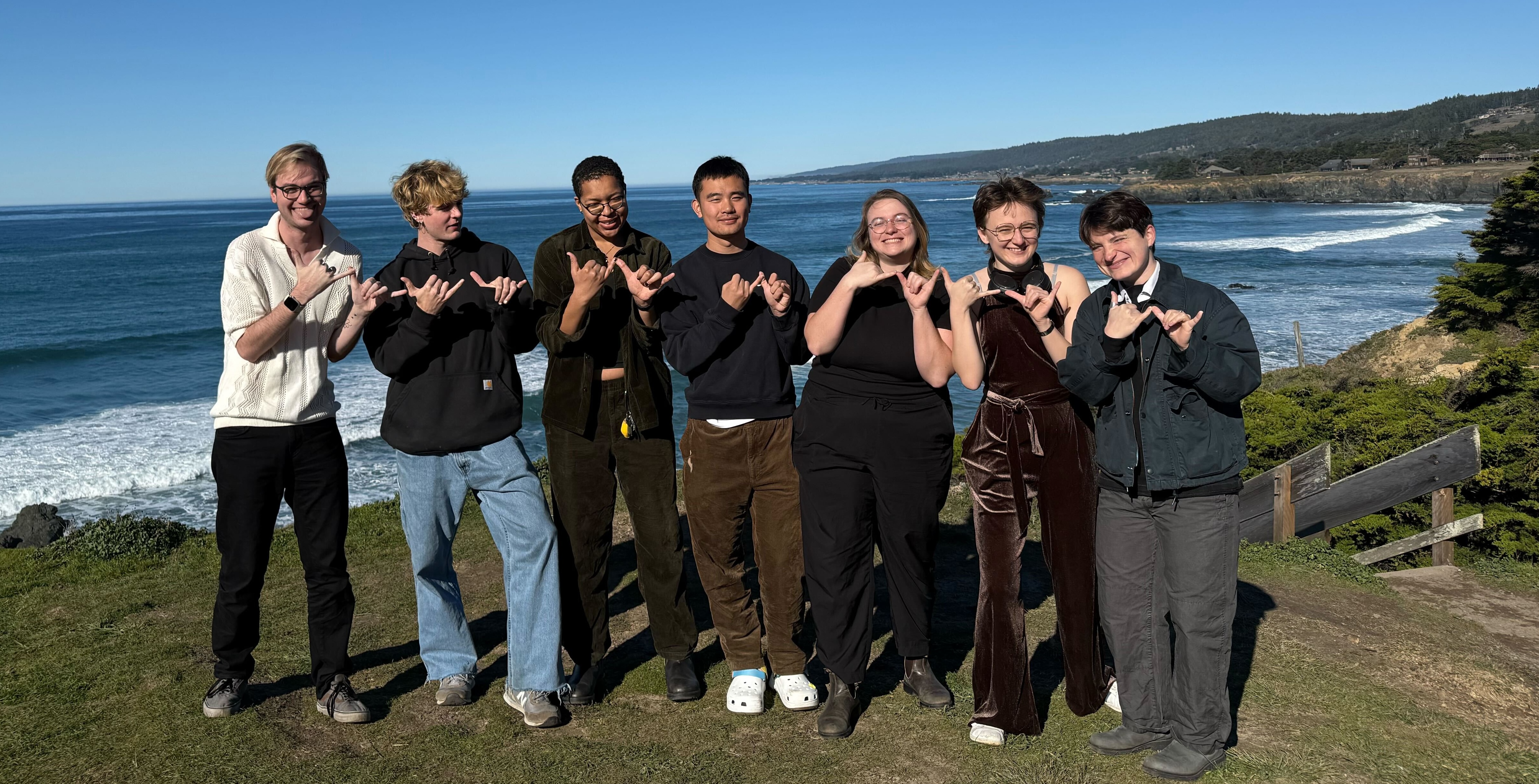
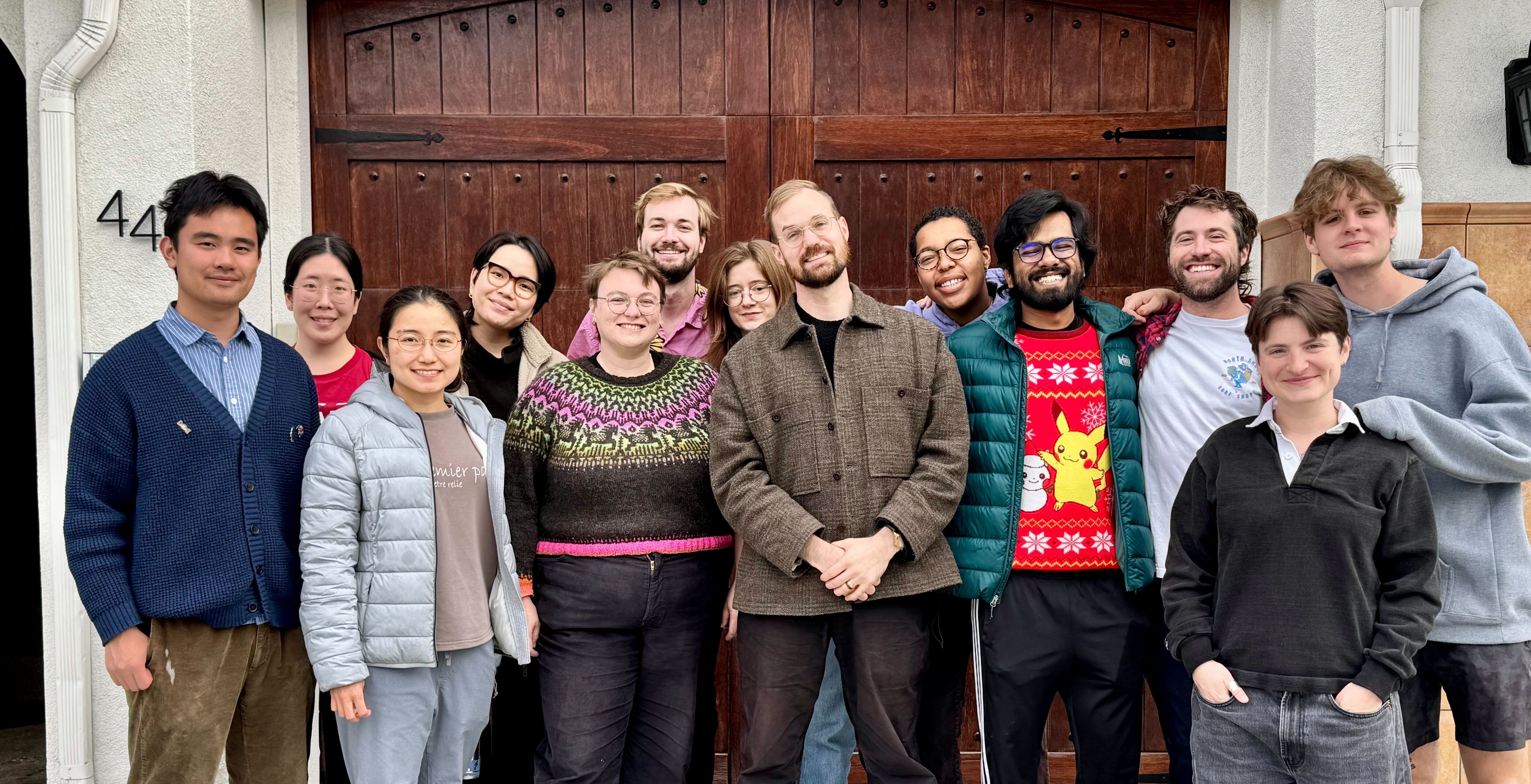
Members of the Social Interaction Lab.
Principal Investigator
-
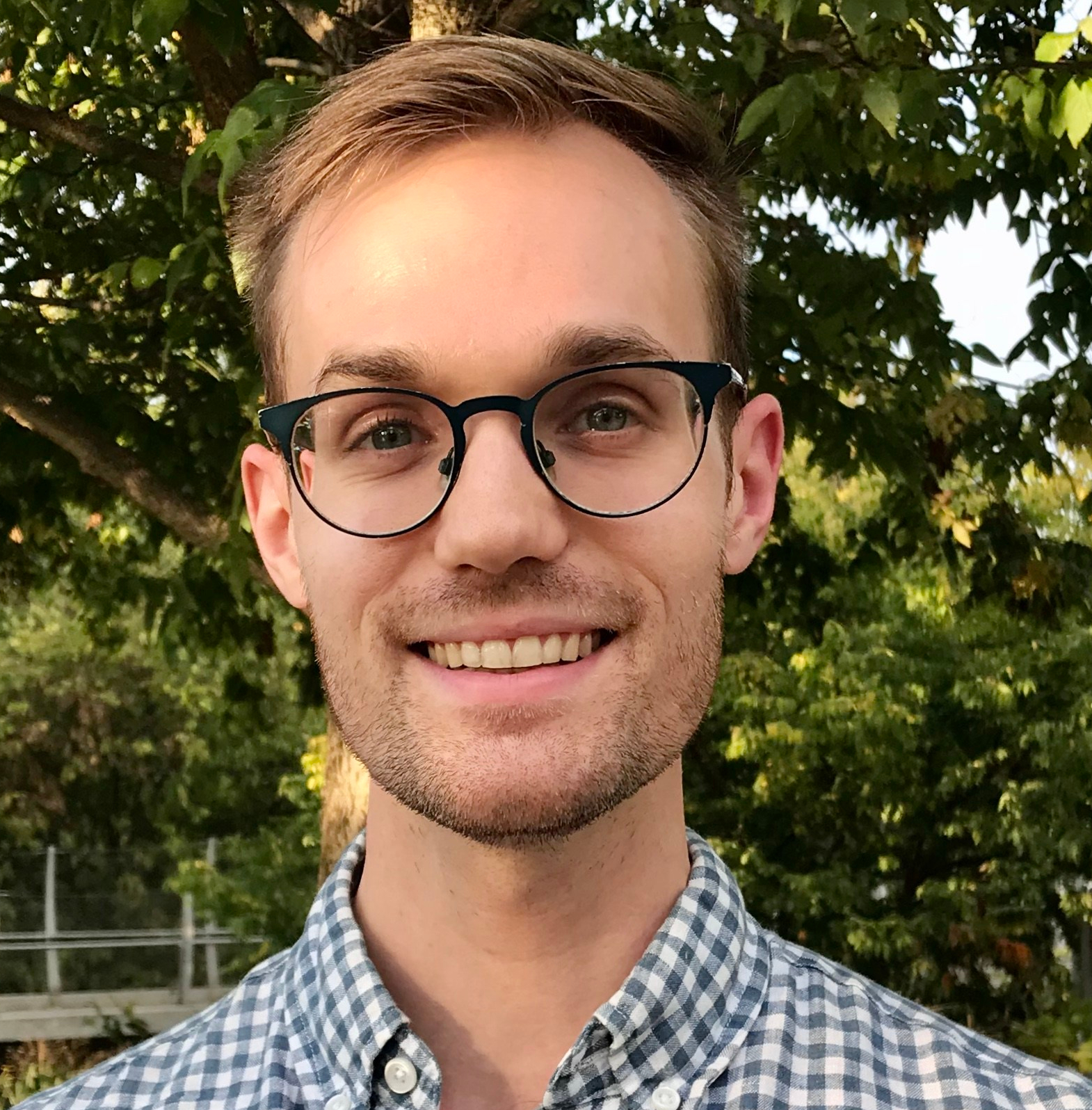
Robert is interested in the cognitive mechanisms that allow people to flexibly communicate, collaborate, and coordinate with one another in social interactions. He received his PhD in Psychology from Stanford University in 2019 and was a C.V. Starr Fellow at the Princeton Neuroscience Institute prior to starting as an Assistant Professor of Linguistics at Stanford in 2024.
Post-Doctoral Scholars
-
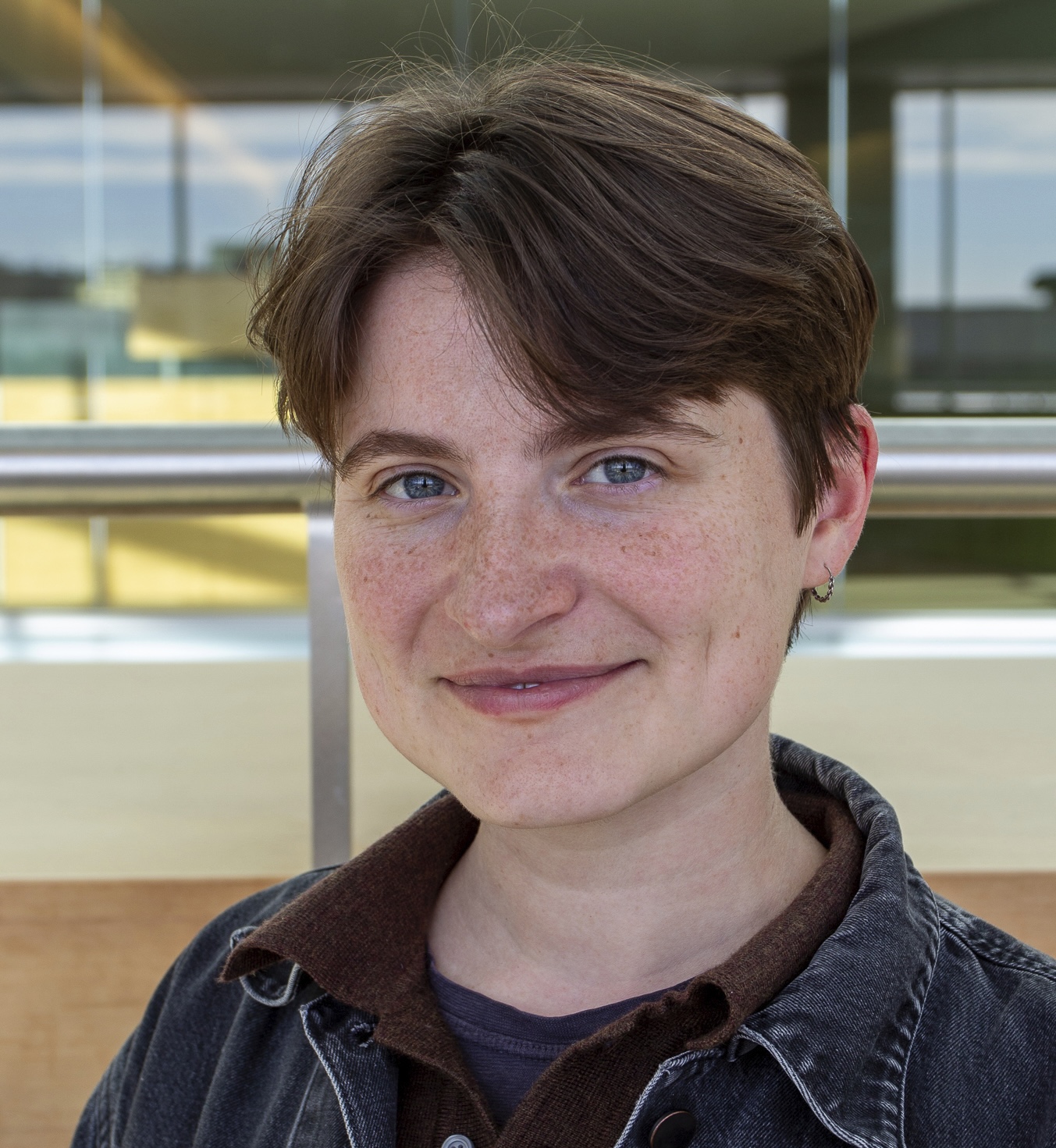
Claire is a postdoctoral researcher in the lab. She researches how the constraints of communication shape the way people learn and use language. Some recent projects have focused on how children expand their repertoires of conversational moves, and how we use language to selectively remark on atypical things in the world. Her work uses naturalistic corpus studies, lab experiments, and computational modeling to characterize the development of communicative competence.
-
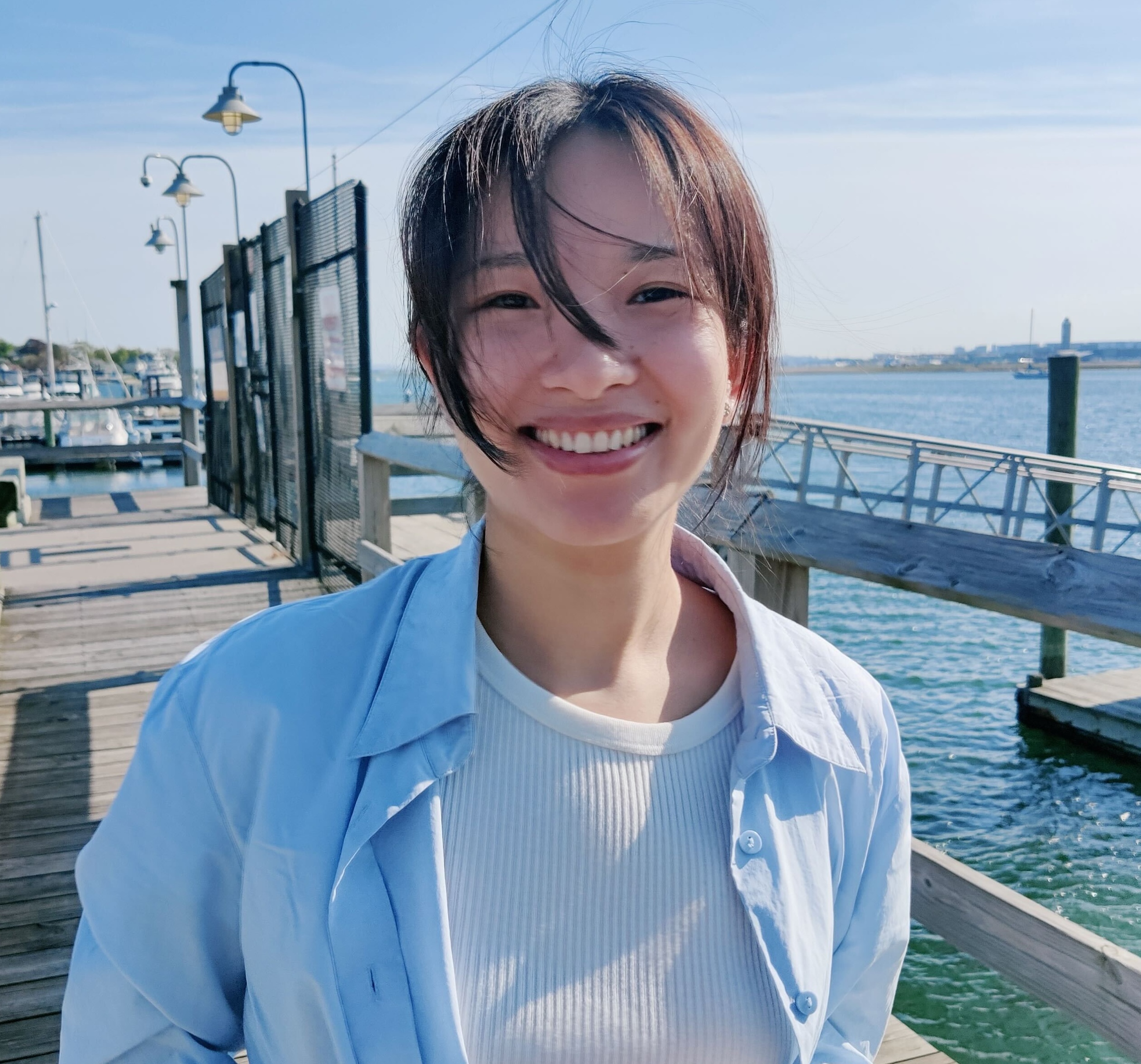
Yajun is interested in how speakers and listeners share the work of communication in real time. Her current research examines the cognitive and neural mechanisms that support this division of labor, and how diverse language experience may modulate these processes. Before joining the lab at Stanford, Yajun completed her PhD in Developmental Linguistics at the University of Edinburgh, where she studied how bilingual experience reshapes the way in which speakers use their native language, focusing on anaphoric reference and lexical ambiguity in spoken Mandarin.
Research Staff
-
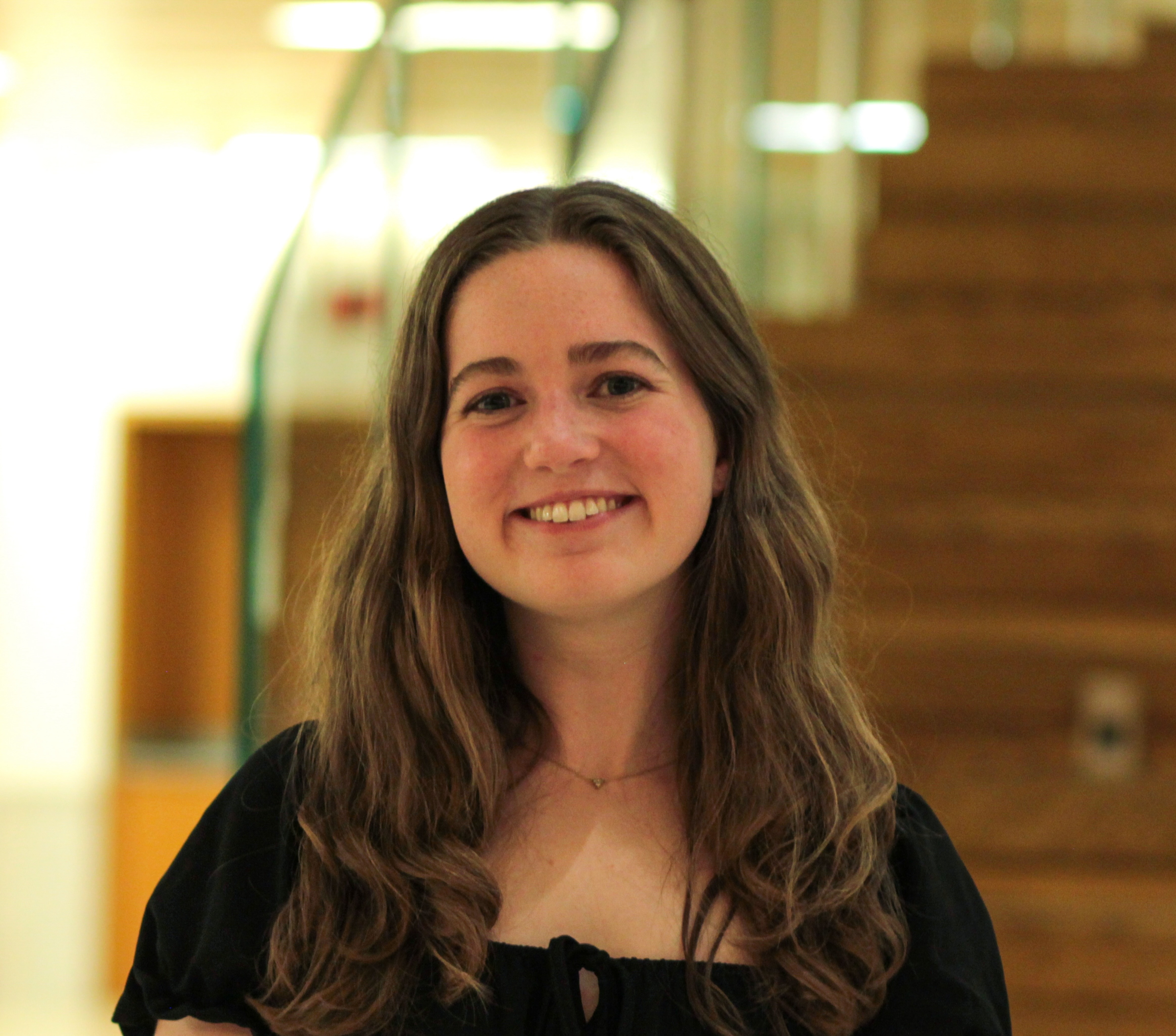
Mary Rose is a post-bacc researcher working with the Life-span Development Lab and Social Interaction Lab, and a predoctoral researcher through the Stanford Institute for Research in the Social Sciences. She is broadly interested in the role of narrative and language in the emergence of collective phenomena, with a particular interest in how groups construct and revise collective memories. She graduated in 2024 from Washington University in St. Louis with a B.A. in English and Philosophy-Neuroscience-Psychology. Outside of the lab, she enjoys playing soccer, reading Irish literature, and hiking.
-
Abi Tenenbaum
Most broadly, I enjoy thinking about the representational frames or models that we use to carve up the world and structure our actions within it: what makes a “good” conceptual system, how do we learn one, and how do we share it with others. I find especially fascinating the dynamics of simultaneous learning across multiple scales. As an undergraduate at Yale, I studied physics and worked with Tom McCoy on a project characterizing the nature of inductive biases in meta-learned neural networks. Outside of research, I sing with Kitka Women’s Vocal Ensemble and dance whenever I can.
PhD Students
-
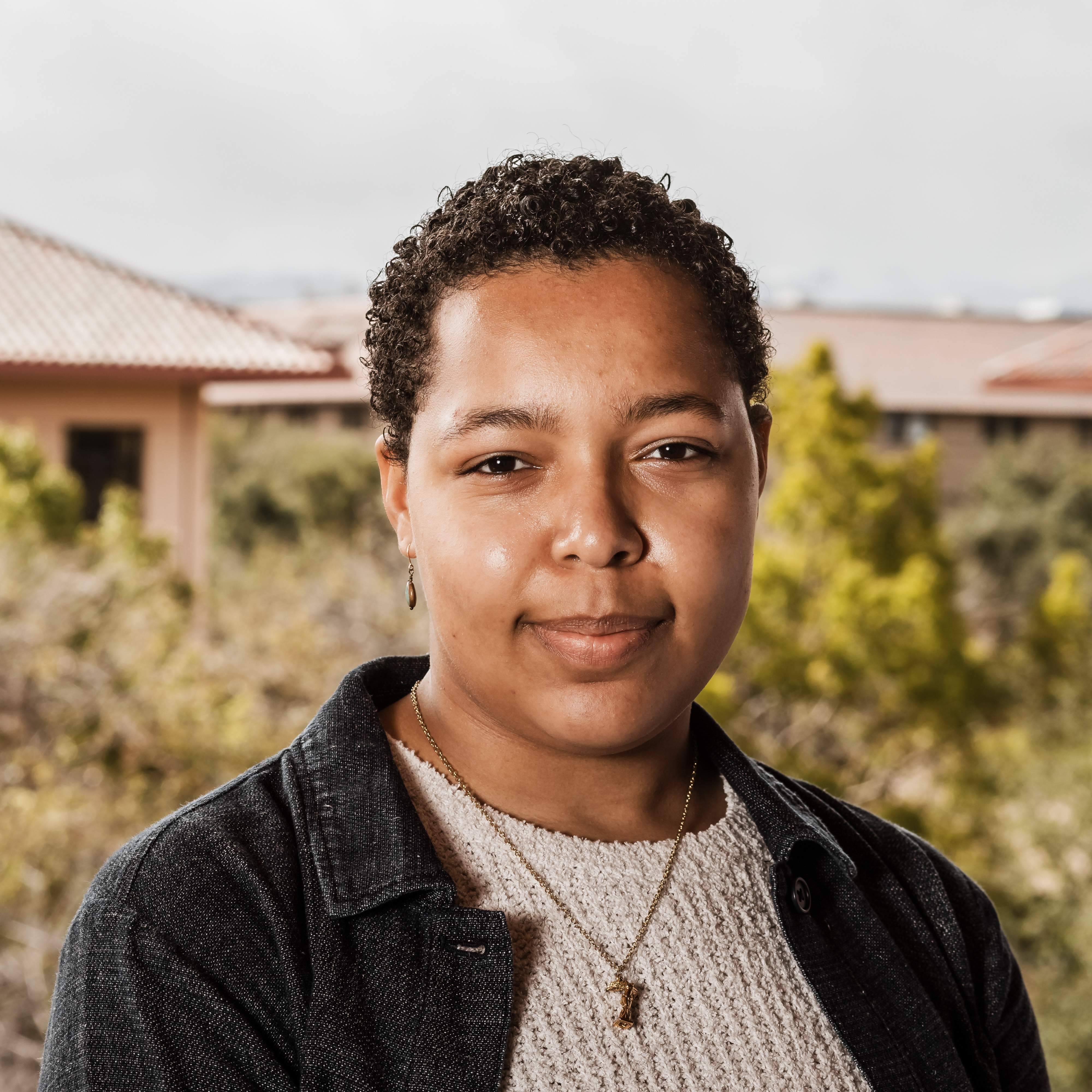
From New Haven, CT, Tilly Brooks is a PhD student in the Stanford Department of Linguistics and JD candidate at Yale Law School. She is interested in deontic modality, performative utterances, and the interface of law and linguistics. Focusing both on the effects of law and policy decisions on marginalized linguistic communities and the application of linguistic theories, research methods, and tools to interpretive legal processes, Tilly researches what she calls “the law of language and the language of law.” In the long term, she aims to draw communities of legal scholars, linguists, and legal practitioners together with the common goals of advancing linguistic justice in the practice of law, refining the use of linguistic evidence and tools for law and policy purposes, and using the study of legal language to advance linguistic theory.
-
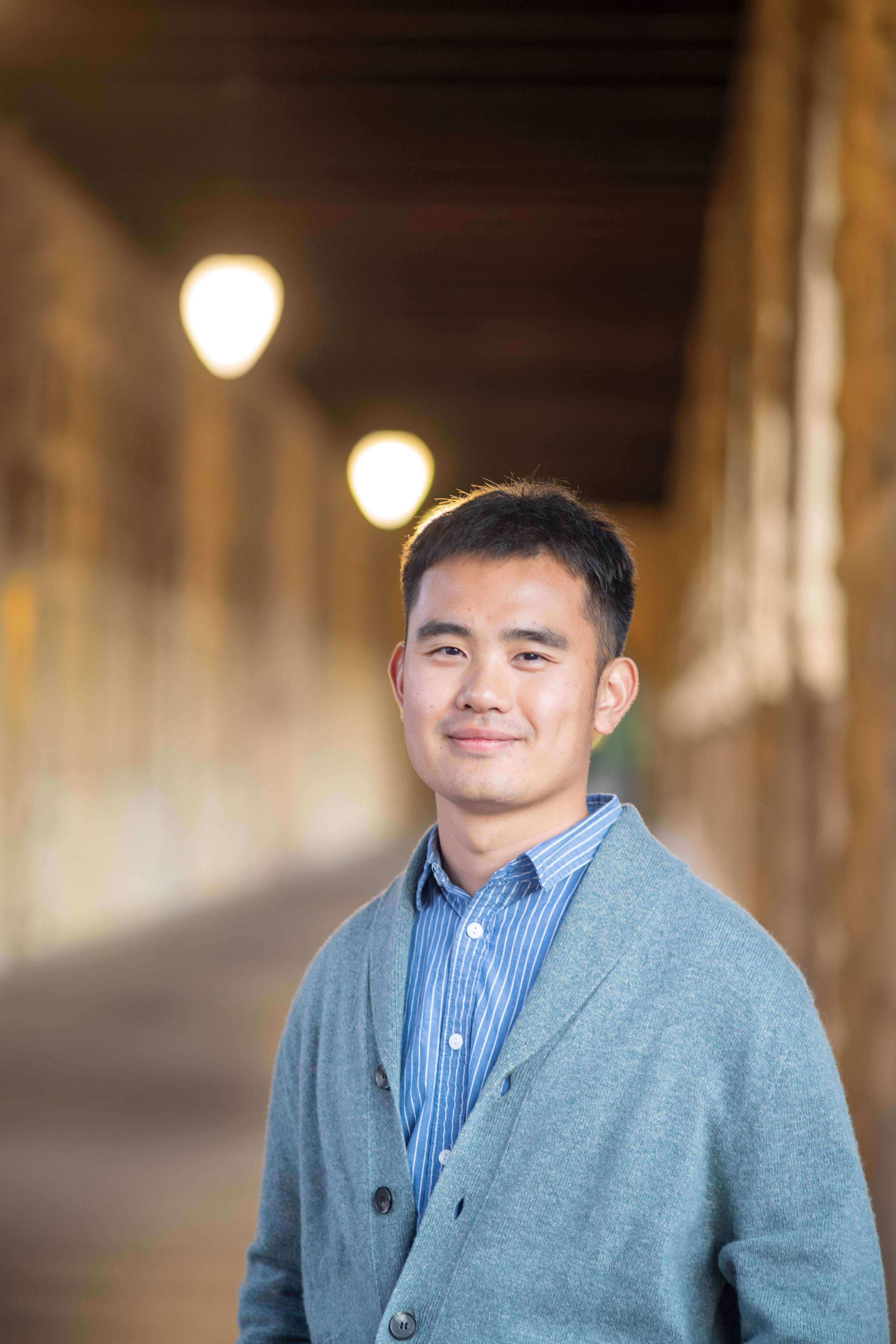
Ke is a PhD student (2024 admit) in Stanford’s Psychology Department. He is interested in applying computational approaches to understand how distributed individual minds support emergent collective-level behaviors and patterns such as cooperation, social norms, and polarization. Prior to Stanford, he completed his master’s at New York University and his undergraduate degree at Lanzhou University, China. Outside of research, Kay enjoys pour-over coffee, visiting museums, and drawing.
-
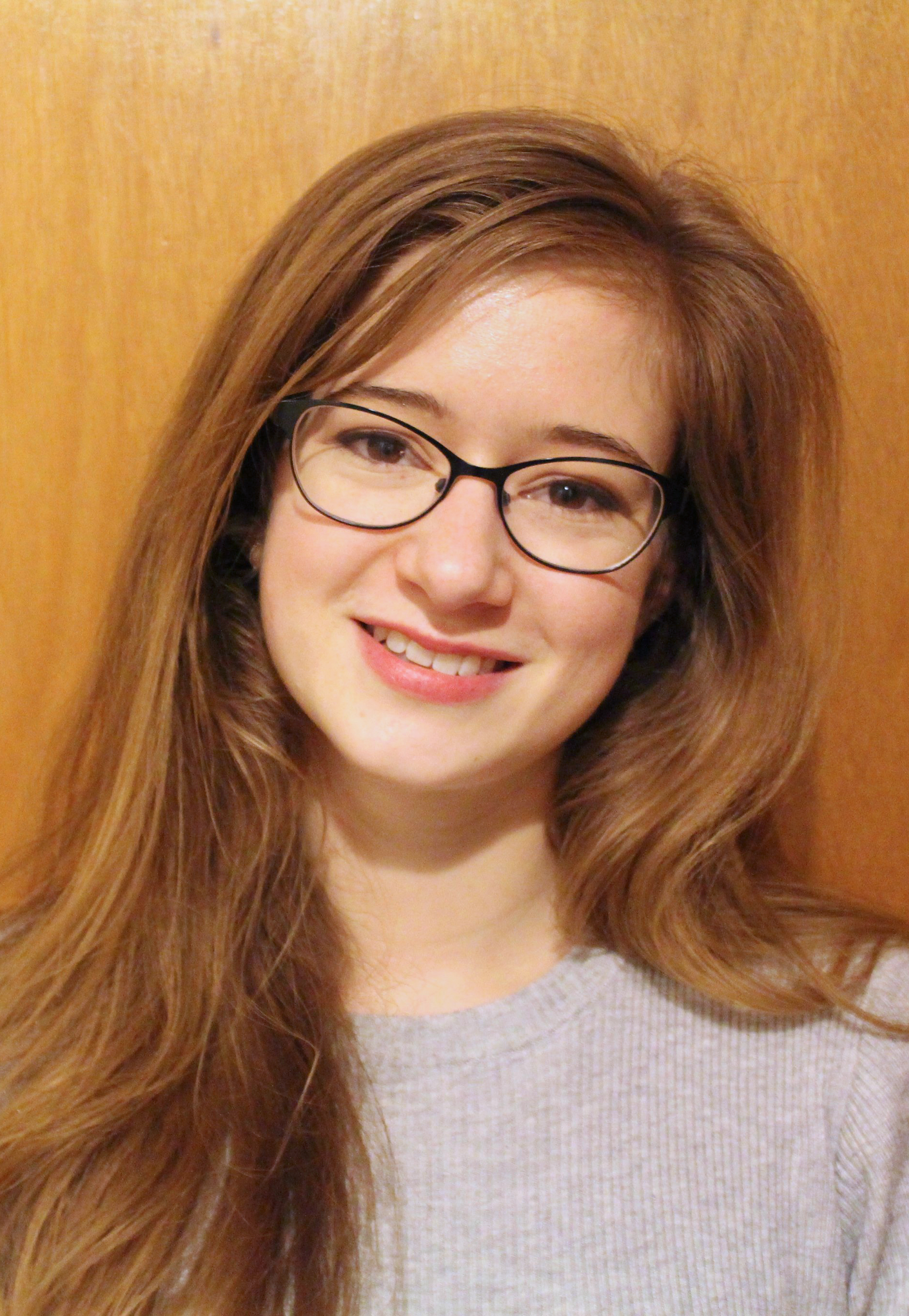
I am a fourth-year PhD student in the Stanford linguistics department, advised by Robert Hawkins, Cory Shain, and Beth Levin. I am broadly interested in meaning, with a focus on verbs, event semantics, and syntactic alternations.
-
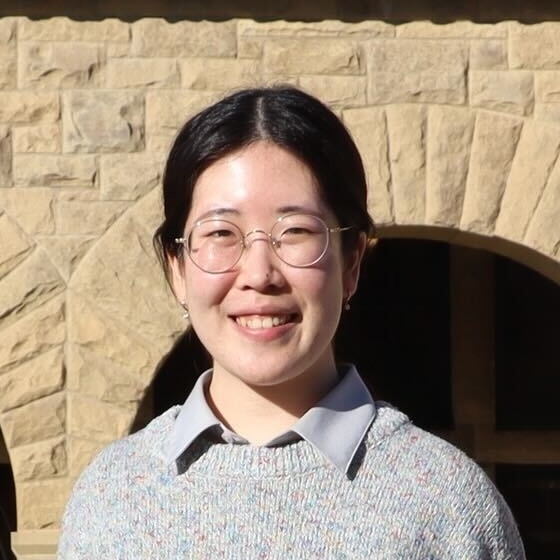
Seo-young Lee
Seo-young is a PhD student (2025 admit) at Stanford Linguistics studying semantics and pragmatics. Broadly, she is interested in the question of how much of meaning is conventional/arbitrary and how much is rational/reasoned about. Narrowly, she has worked on phenomena related to questions (polarity preference, bias in English high negated questions) and modality (deontic possibility-to-necessity inference). She approaches these issues combining theoretical, computational, and experimental methodologies. Prior to joining Stanford, she recieved her BA in English, BS in Statistics, and MA in English Linguistics at Seoul National University. On a lucky day, you can catch her riding her unicycle around campus.
-
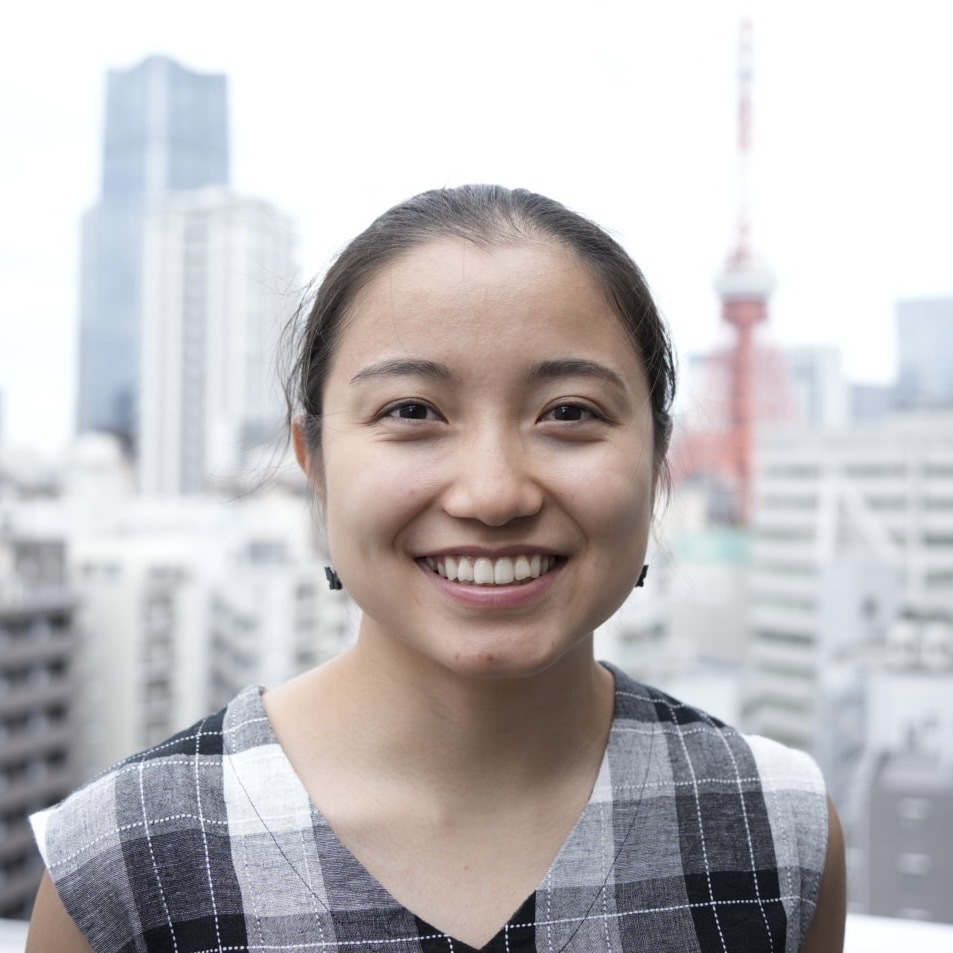
Yuka Machino
I am interested in how social factors shape communication. Using behavioral experiments and computational modeling, I am especially interested in understanding how cultural differences in values, common sense and ways of life, lead to differences in everyday interactions. Prior to starting grad school at Stanford in 2025, I completed my undergrad and master’s degrees at MIT. Outside of research I enjoy swimming, travelling, and doing math.
-
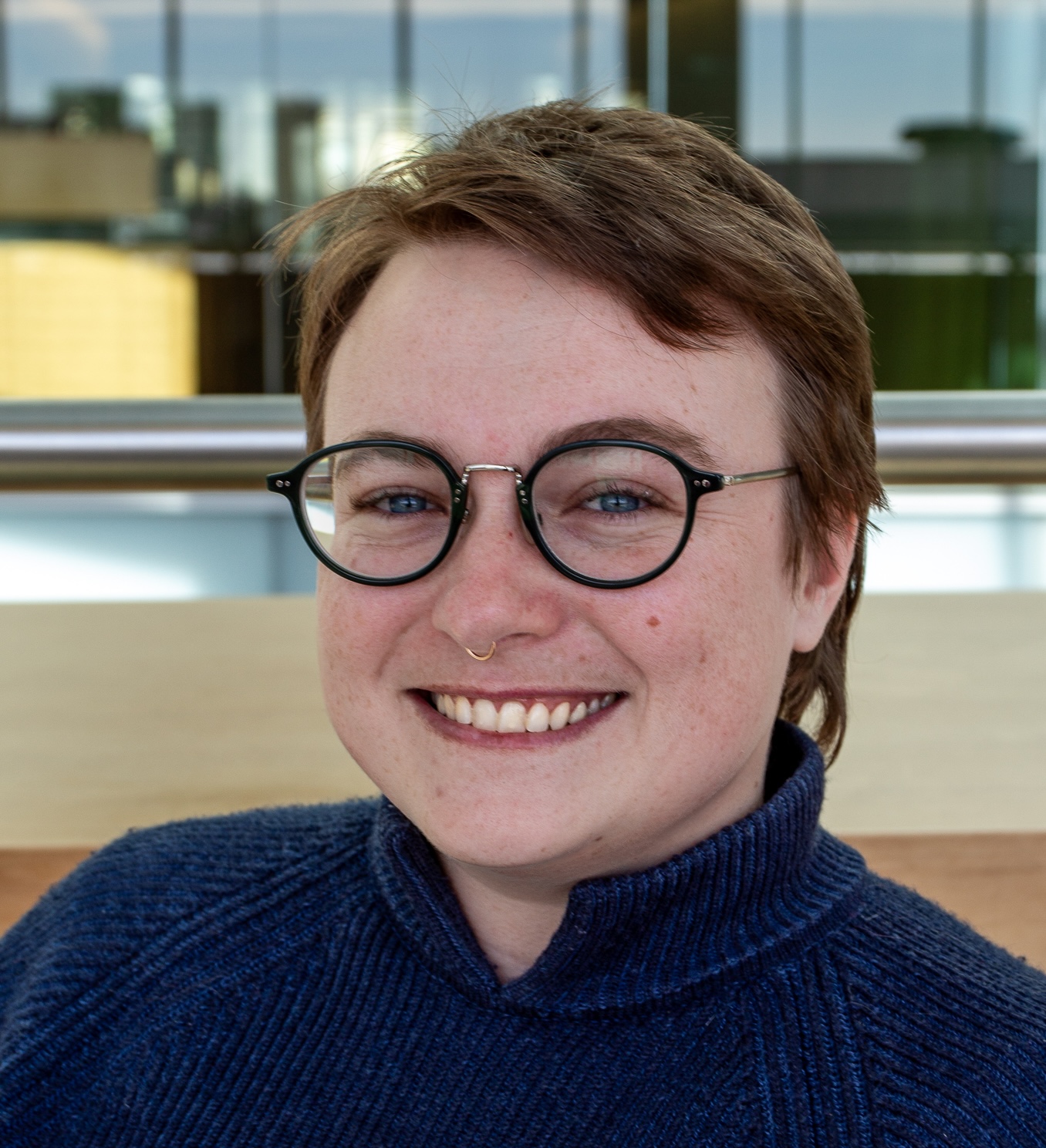
Jess is interested in the way humans learn to communicate and interact with one another. They approach these questions using computational models, developmental experiments, and publicly available datasets. They are also affiliated with the Infant Learning Lab. They graduated from UC Berkeley in 2020 with a B.A. in Cognitive Science and were the the Lab Manager for the Language and Cognition Lab at Stanford University prior to starting graduate school.
-
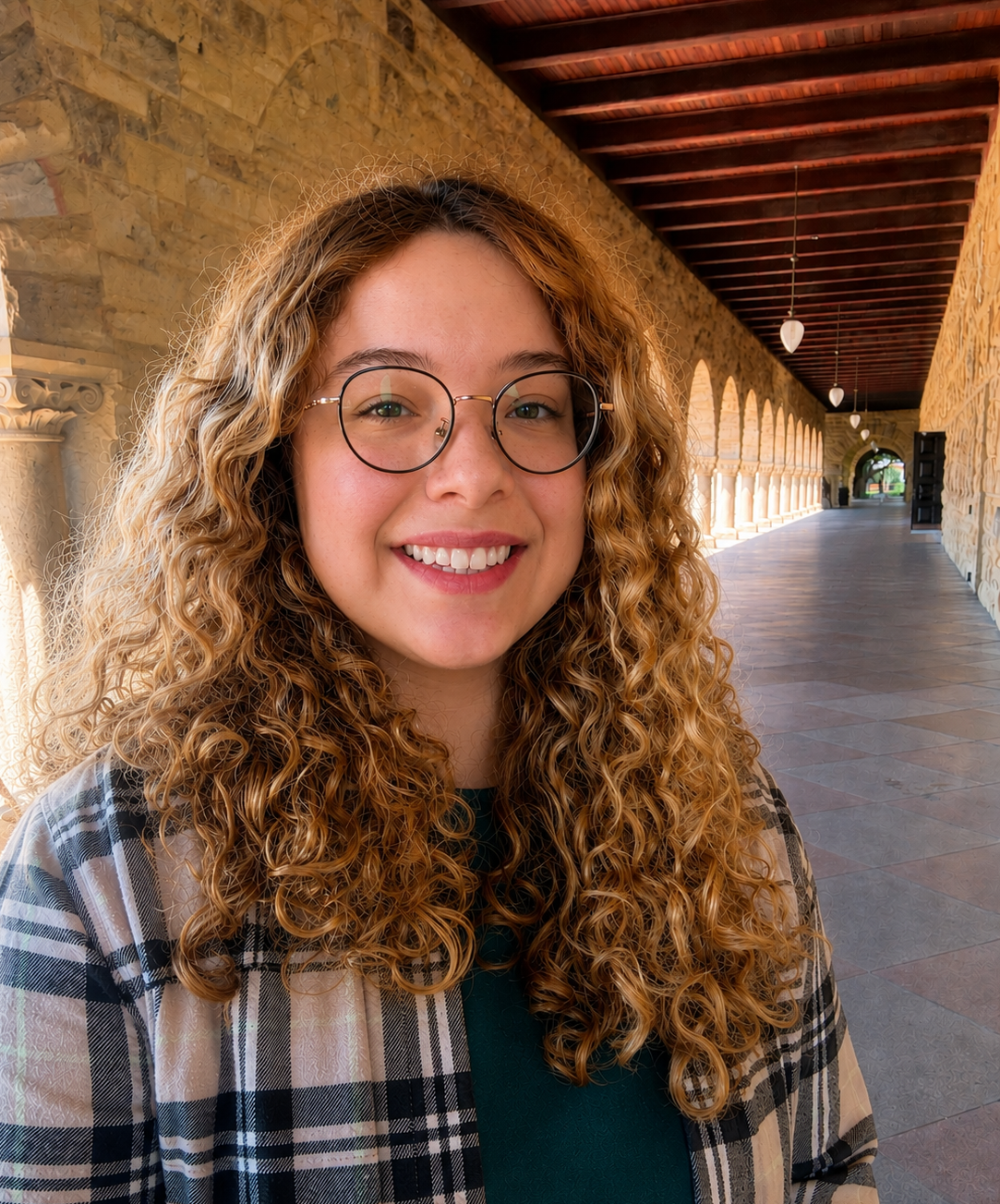
I am a PhD student in Linguistics at Stanford (2023 admit), where I study meaning in humans and machines. I am interested in how humans and large language models represent, compute, and reason with meaning, with a particular focus on ambiguity. Before Stanford, I received my BA in Translation and MA in Linguistics from Boğaziçi University, where I worked on linguistic benchmarking and Turkish NLP resources, including Turkish PropBank, Turkish FrameNet, Turkish WordNet, and UD-style treebanks. On a good day, you can find me overcaffeinated, hanging out with my cats, and playing video games.
-
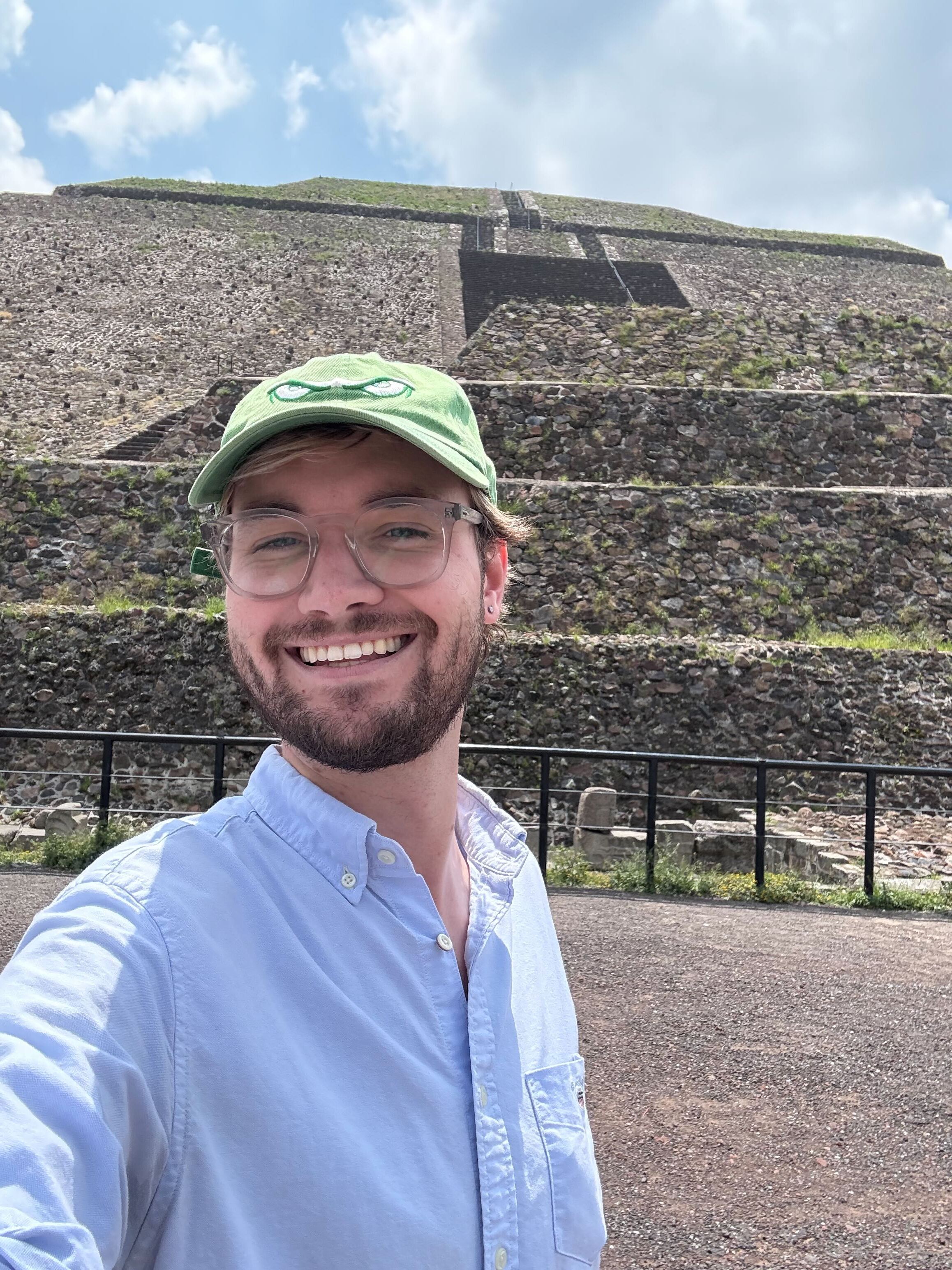
I am a 6th year PhD candidate in the linguistics department at Stanford. My research focuses on the ways in which cognitive and social processes interact in language processing and production, with a special emphasis on gender and political ideology. When not dissertating, I can be found collaborating with friends on topics such as morphosyntactic variation, sociophonetic variation, and improving experimental methods. Outside of work, I enjoy reading (horror, especially), playing video games (tragically bad Zenyatta/Lifeweaver main), or hanging out with my dog (Dionysus).
-
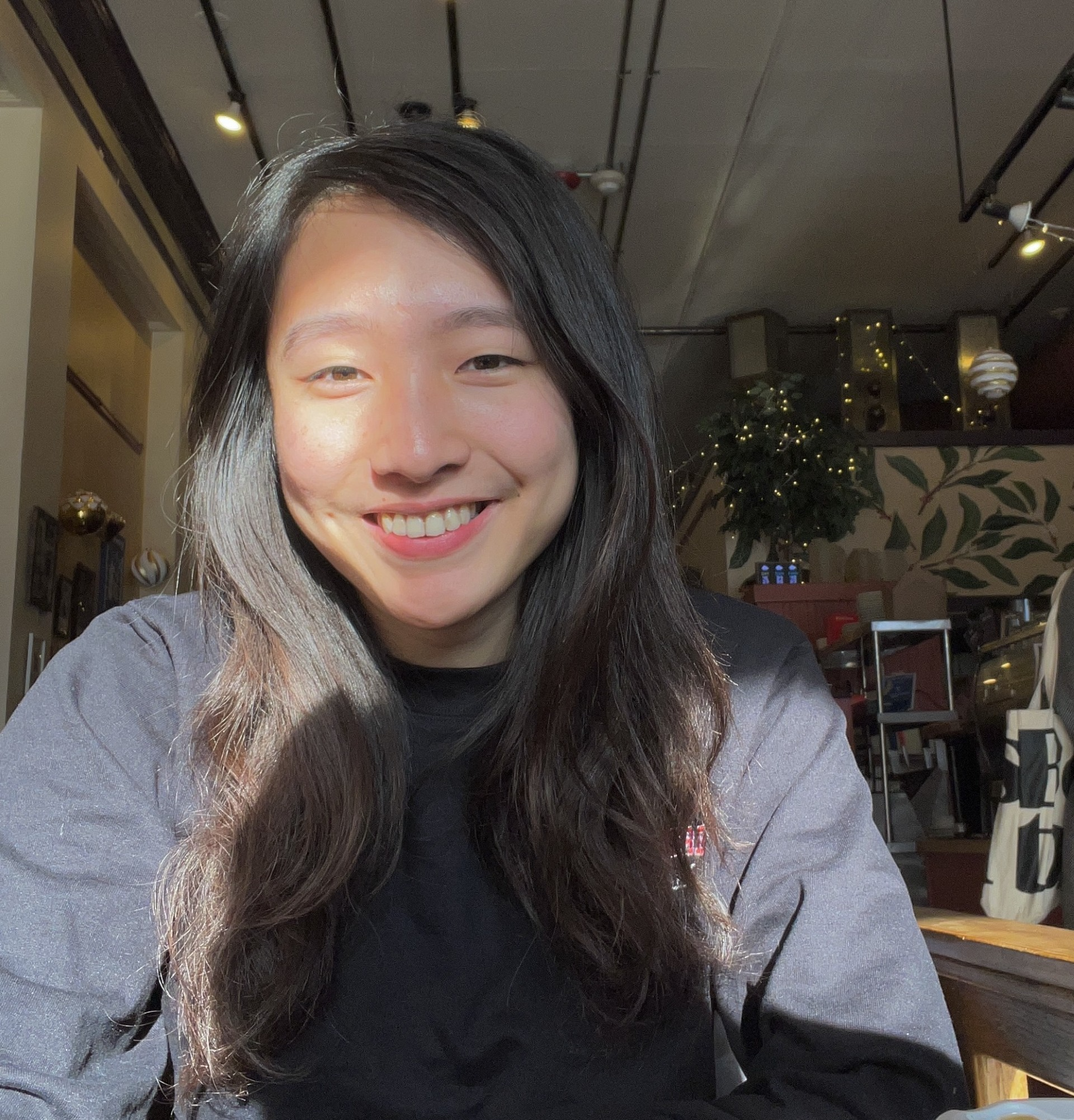
Selena is a first-year PhD student in Stanford’s Computer Science department. She is interested in how humans (and machines) understand and communicate with one another in goal-oriented settings. To study this, she combines tools from artificial intelligence and cognitive (neuro)science. Before Stanford, she graduated from Haverford College studying Math and Cognitive Science, then spent two years as a research assistant with Ev Fedorenko at MIT.
-
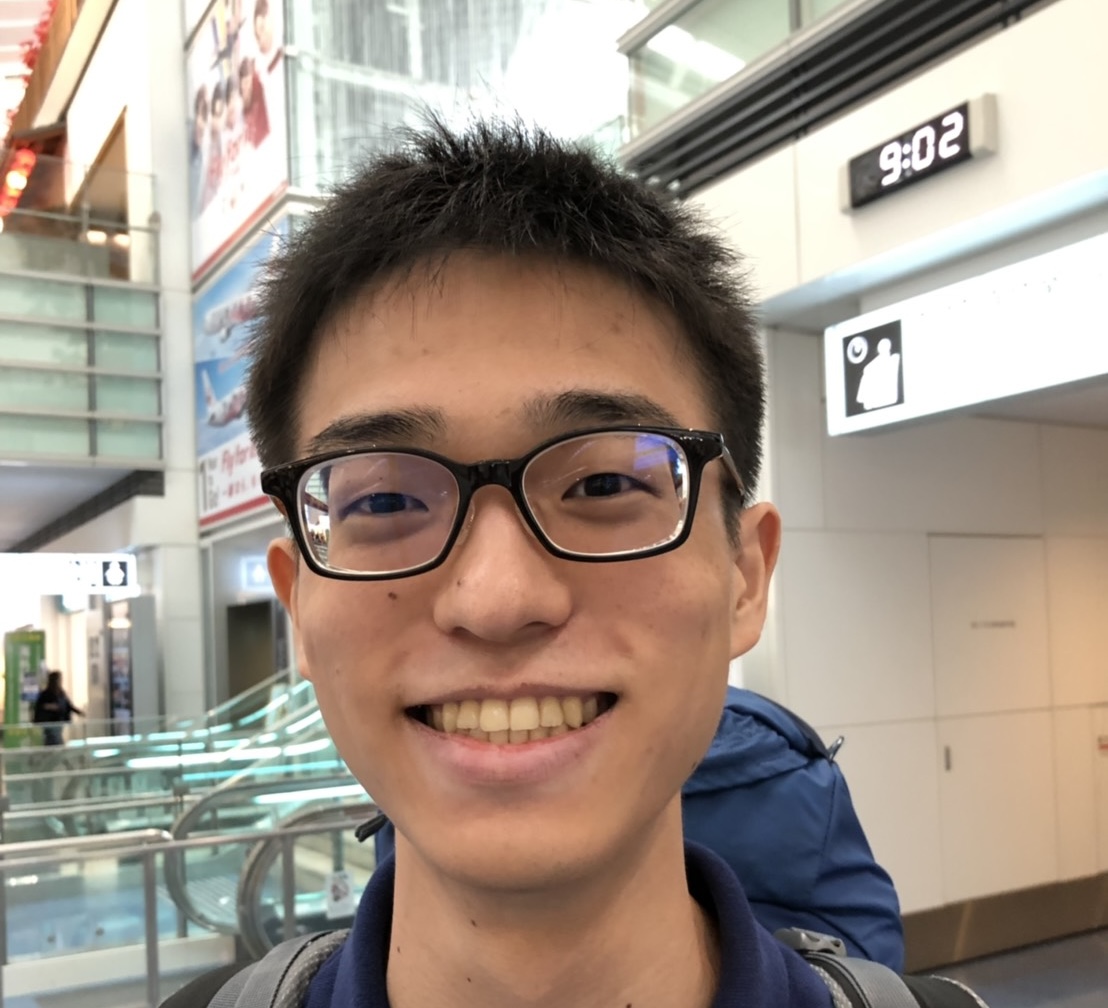
Taka is a first-year PhD student in the Computer Science Department at Stanford. His research goal is to understand the step-by-step computations that support language comprehension and production. To this end, he aims to develop computational models that are aligned to humans at both behavioral and algorithmic levels, using insights from cognitive science, linguistics, and neuroscience. Before coming to Stanford, he completed a medical degree from the University of Tokyo in 2025.
Master's Students
-
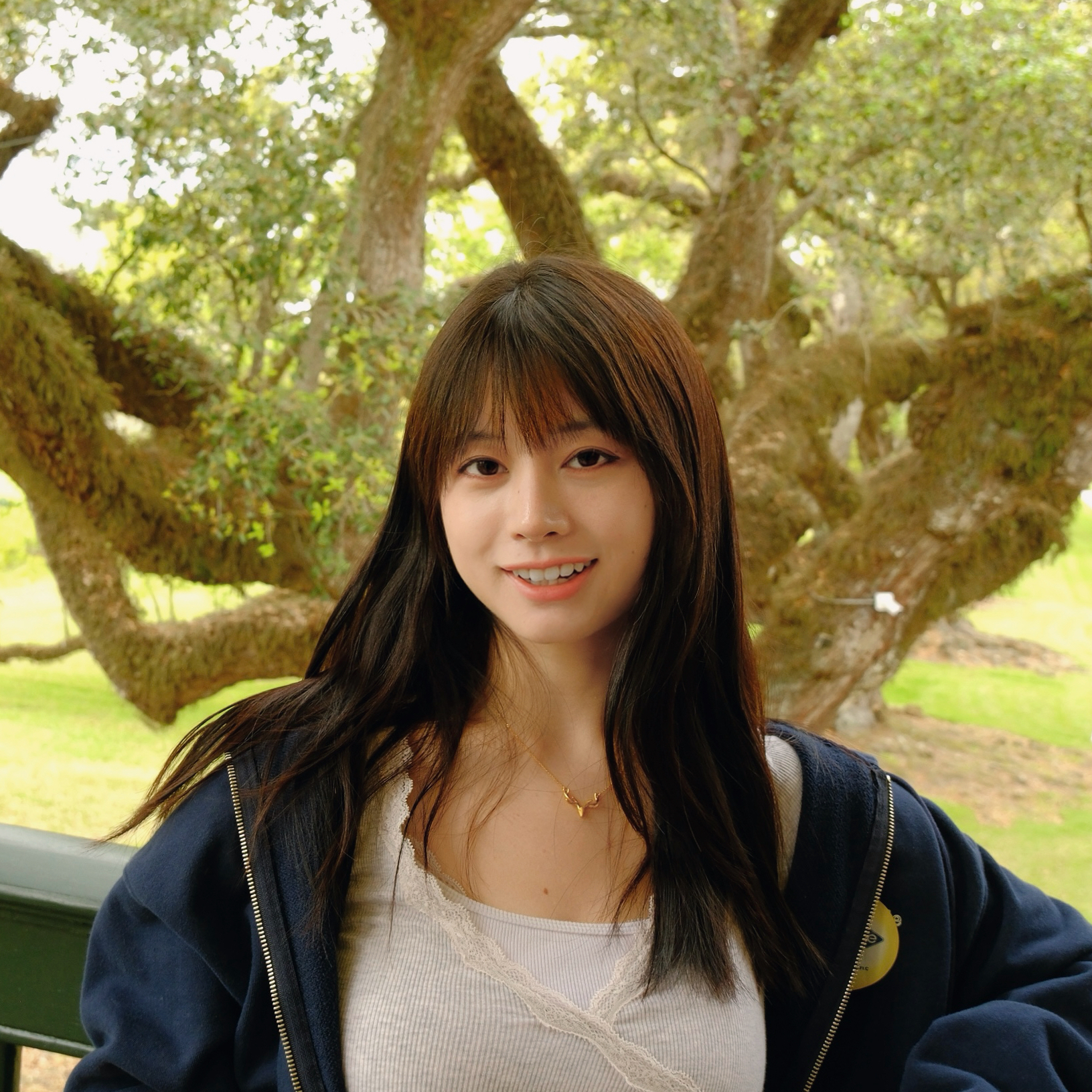
Hannah is a first-year master’s student in Symbolic Systems program at Stanford. She is interested in how people communicate, collaborate, and make decisions alongside intelligent systems. Prior to Stanford, she graduated from University of Michigan, Ann Arbor, studying Computer Science and Cognitive Science. Outside of research, she likes hiking, playing pickleball, traveling, and reading.
Research Assistants
-
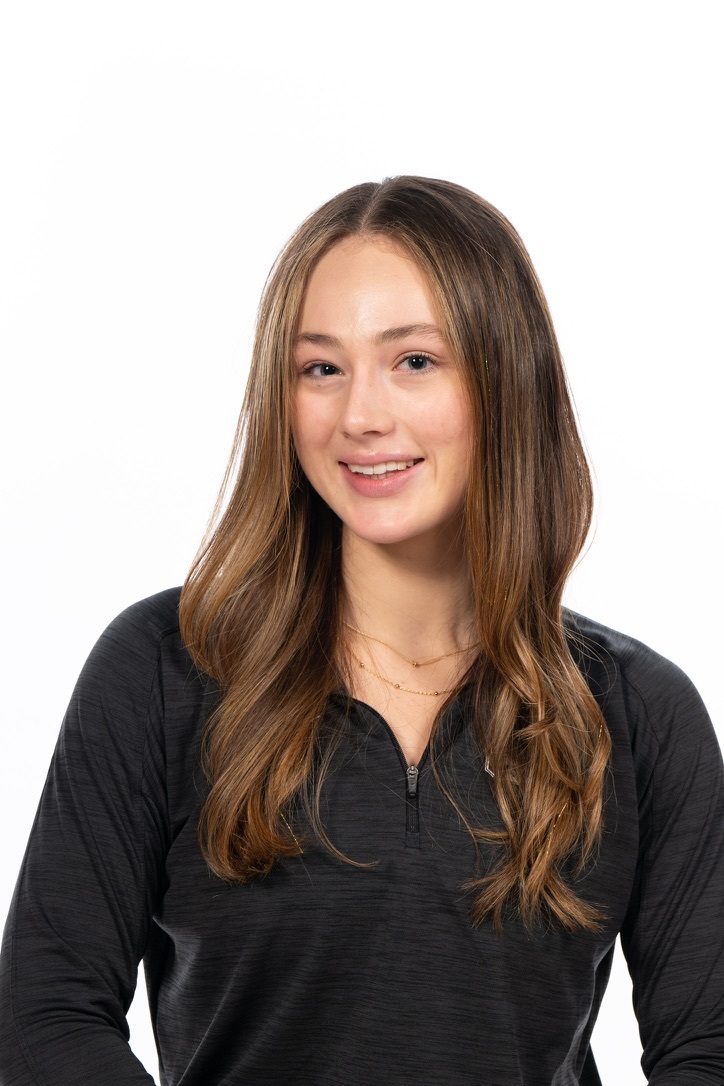
Charlotte Burnham
Charlotte is a rising senior majoring in Linguistics and minoring in East Asian studies! She is interested in language acquisition, bilingualism, and how children use language. Apart from her studies, she is also a member of Stanford’s lightweight rowing team!
-
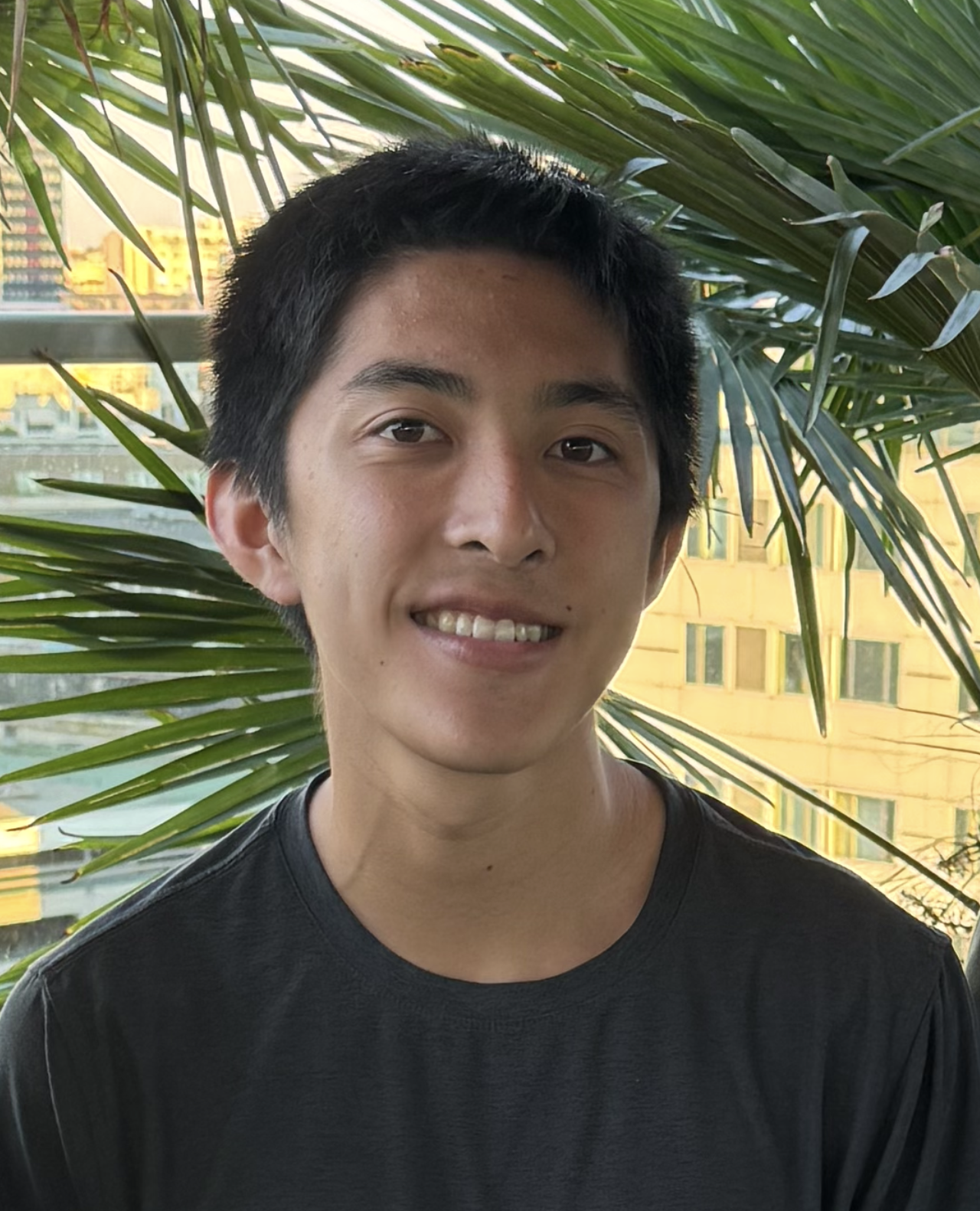
Oliver Lee
Oliver is a senior majoring in Symbolic Systems and German Studies, and beginning a co-term in Linguistics. His main research interests are acquisition, computational linguistics, and the syntax-semantics interface. In his free time, he likes running, going on hikes, and learning languages.
-
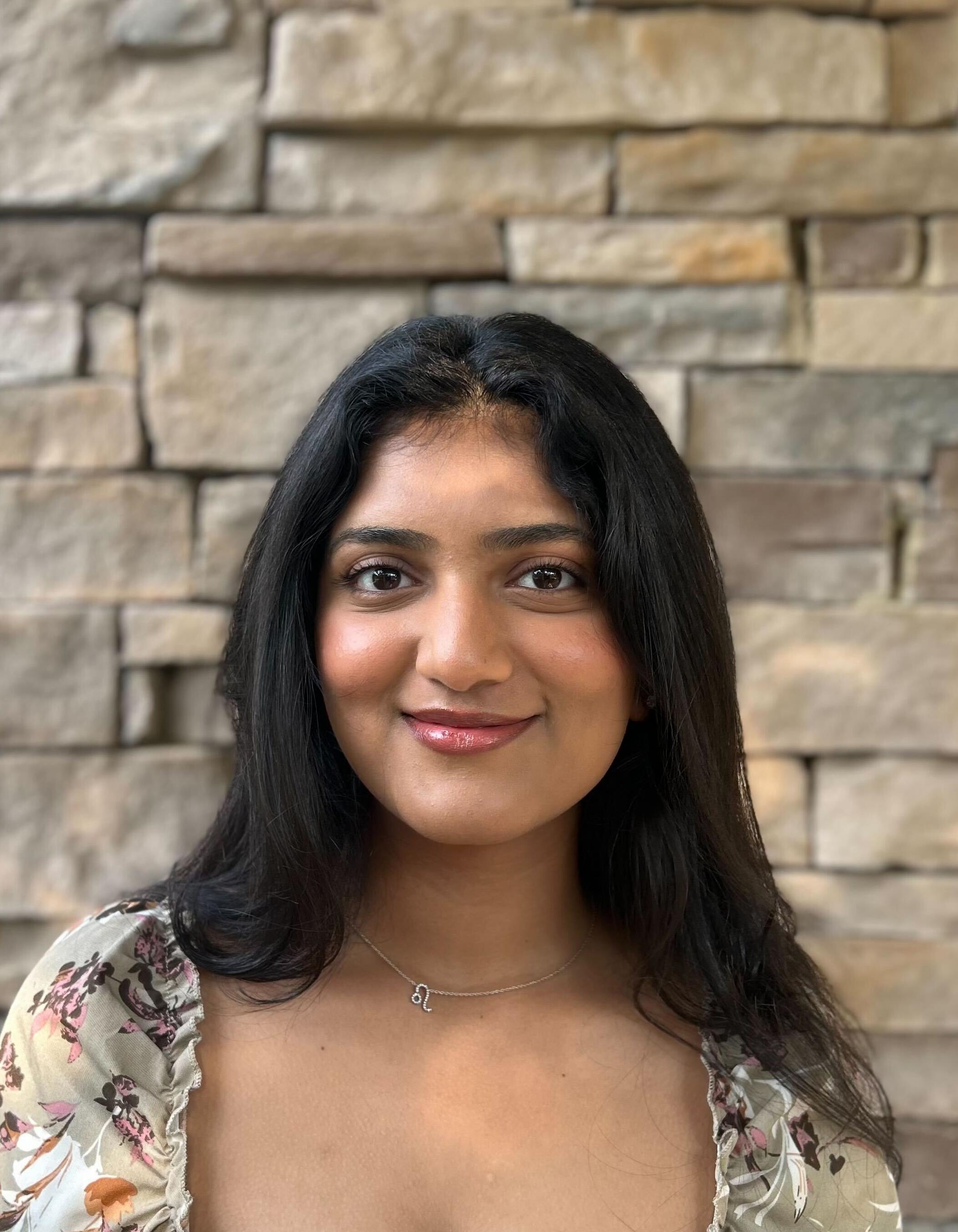
Ashrita Patil
Ashrita is a rising sophomore majoring in Computer Science at UW-Madison, with a keen interest in the intersection between psychology and computer science, particularly in the realm of Human-Computer Interaction (HCI). She loves traveling, discovering new places and cuisines, and enjoys watching movies.
Lab Affilates
-
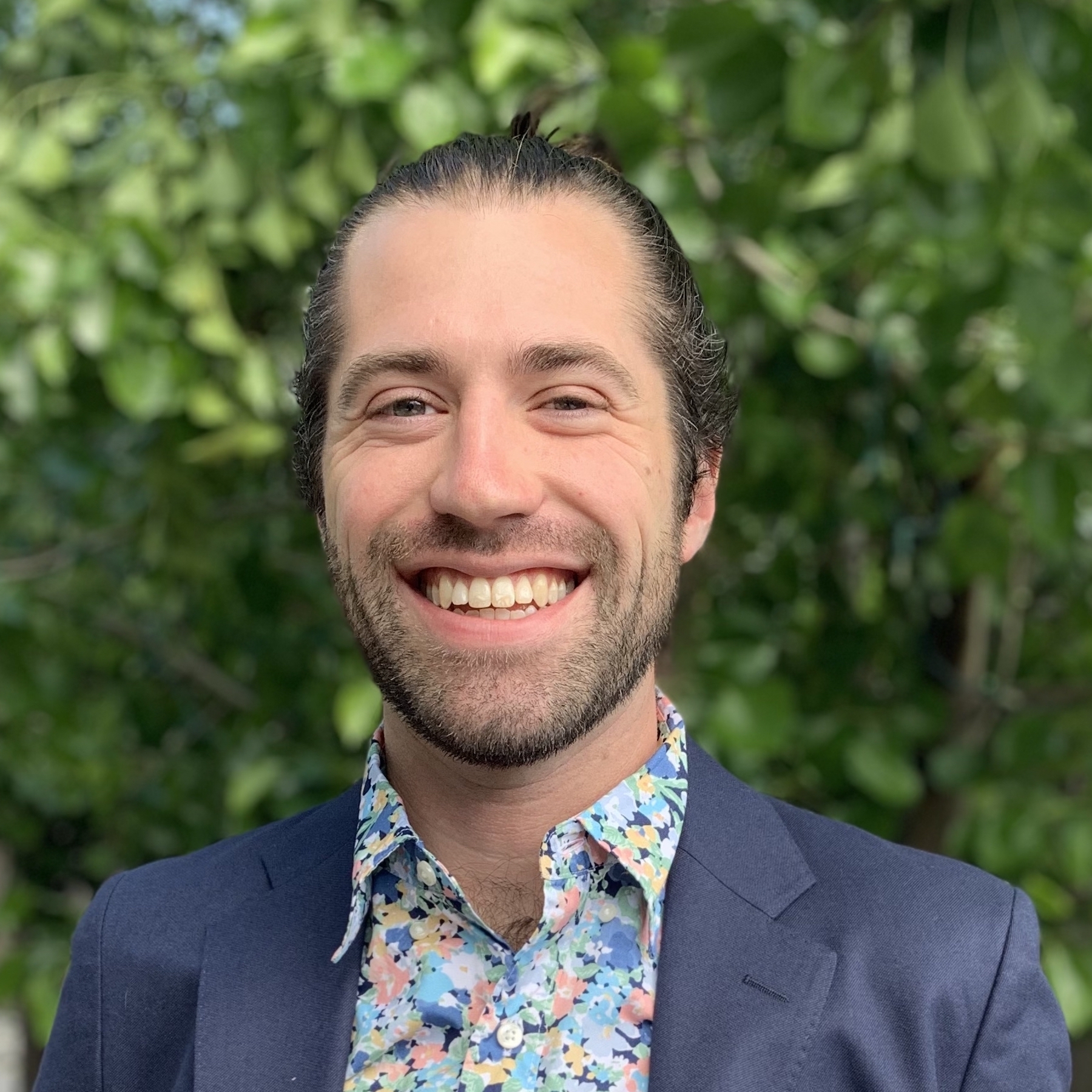
Erik is broadly interested in the cognitive processes that support interpersonal relationships: how people learn what others are like and use that knowledge to explain and make sense of their behavior. At Soil, his work focuses on the ways people use language and conversation to get to know other people. How do they choose which questions to ask and what do they learn from the answers? His work combines large-scale online behavioral experiments with computational modeling and tools from artificial intelligence to understand how people navigate a rich and complex social world.
-
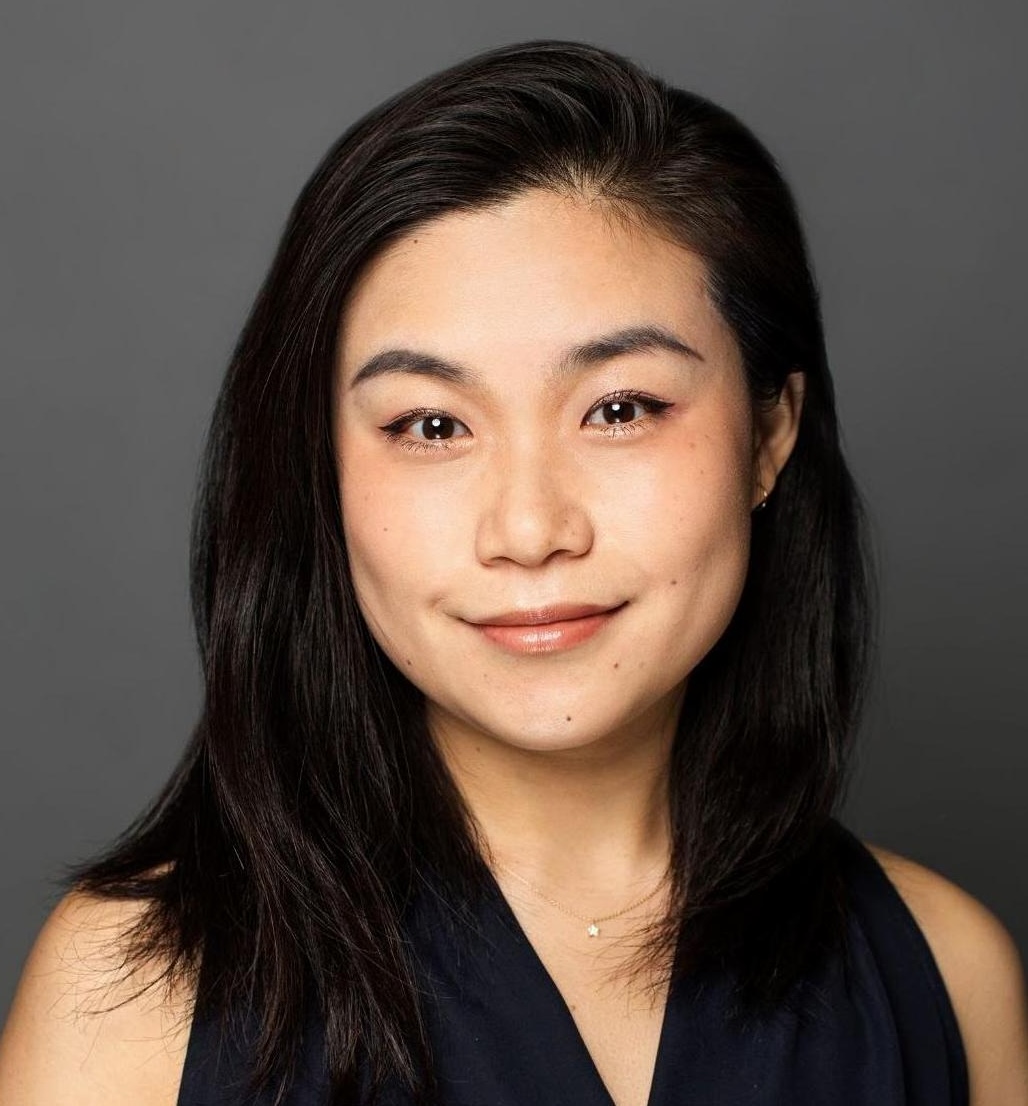
Jinyi a Ph.D. student in Psychology at the University of Pennsylvania. She is interested in the the cognitive mechanisms underlying social norm perceptions and inferences. Her recent research focuses on how individual mental model can explain population-level descriptive to injunctive norm shift and how people effectively communicate social norms using online experiments and computational modeling.
-
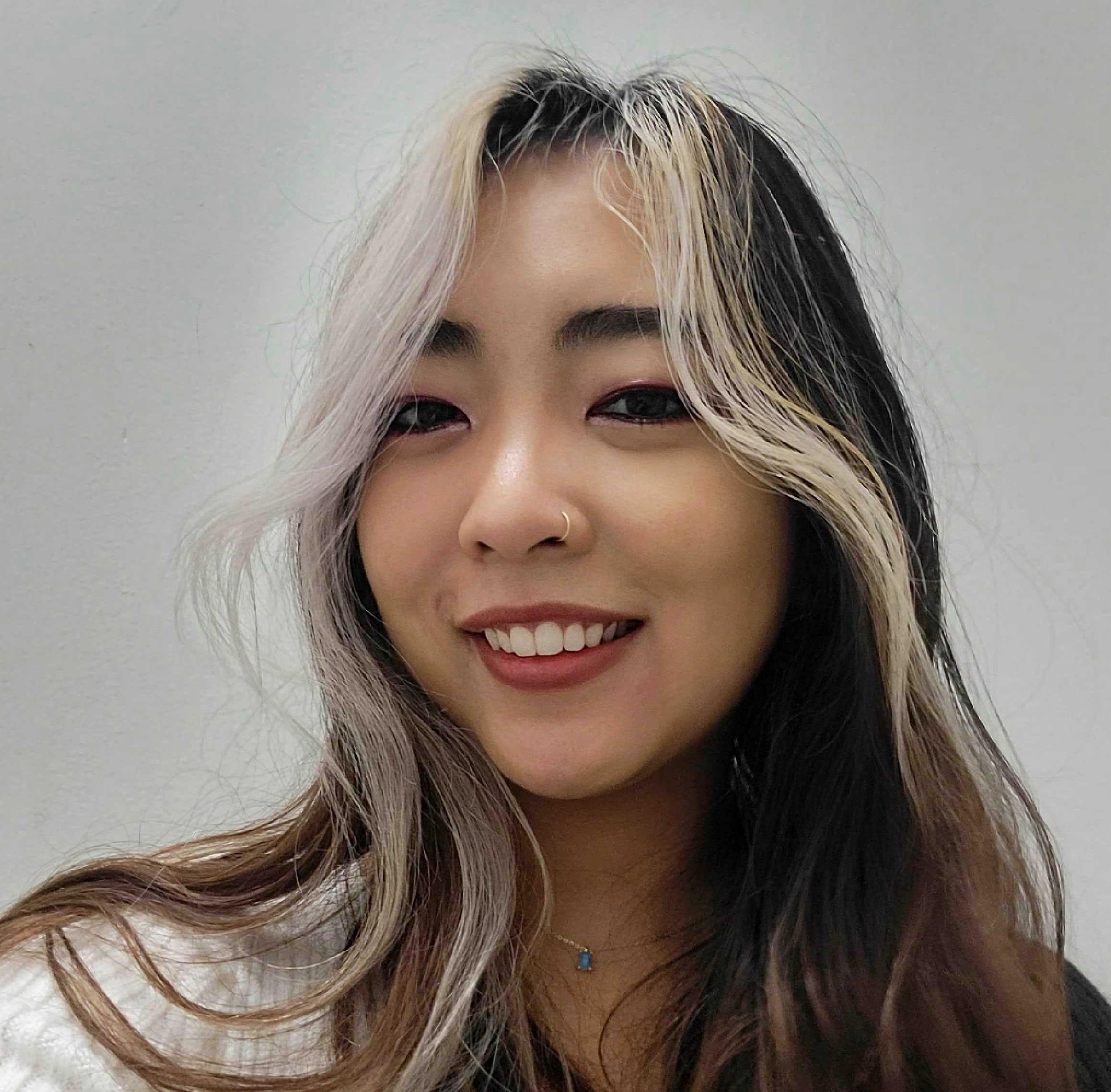
Wasita earned a BS in Cognitive Neuroscience from Brown University. Currently a Ph.D. student at Dartmouth with Luke Chang, she collaborates with Robert Hawkins and Jonathan Phillips. Her research focuses on how people collaboratively make sense of others and their shared experiences. She employs real-time multi-user web experiments, natural language processing, and computational modeling. Outside of research, Wasita enjoys playing video games (currently: Baldur’s Gate 3) and practicing aerial hoop/pole.
-
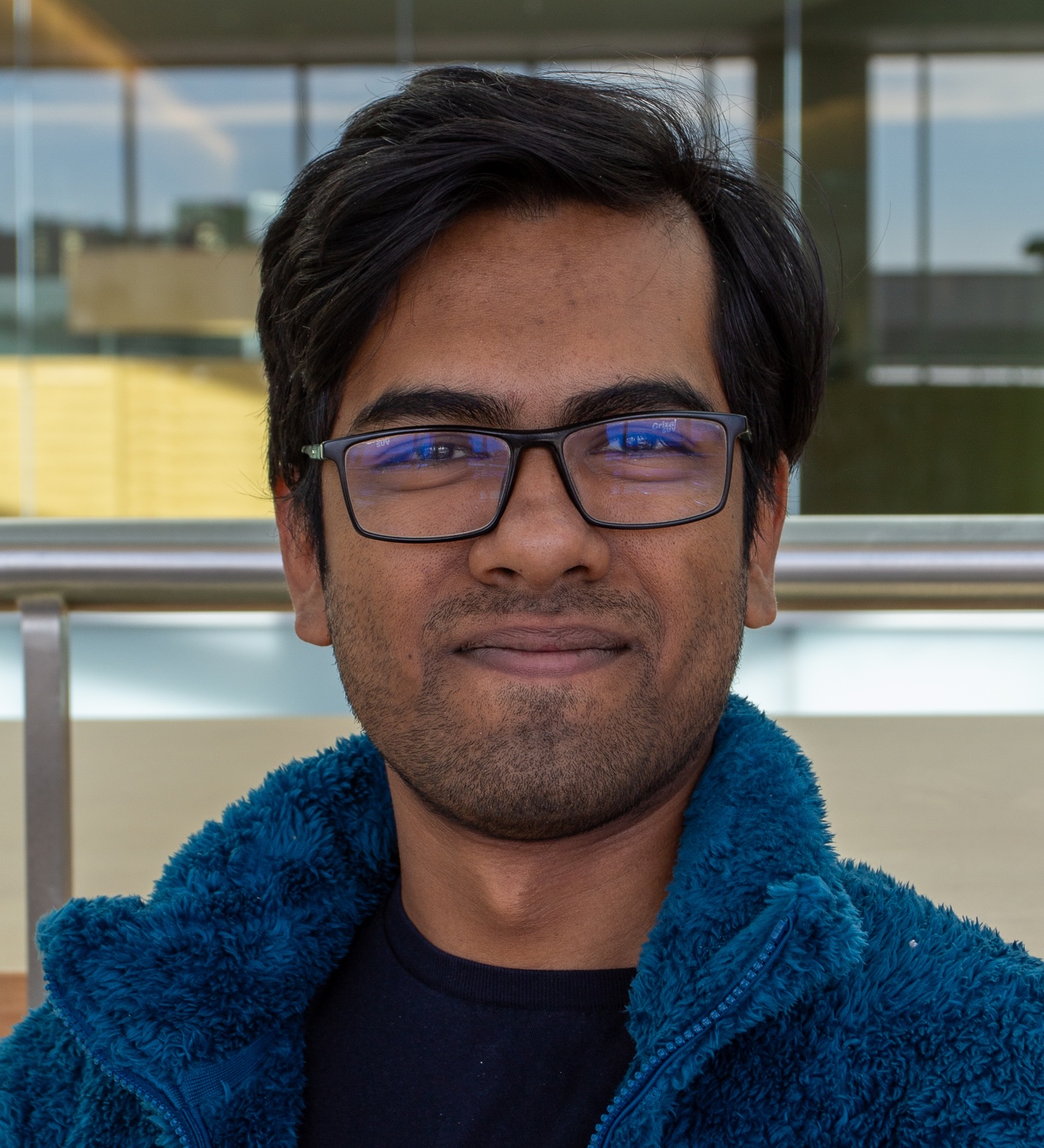
I am a fifth year Psychology PhD student. My primary interest is in the nature of visual concepts. How are they learned? How are they structured? Can machines be taught these concepts? I believe the act of communication can shed much light on the answers to these questions, and so I study how we use drawings and information visualizations to convey our knowledge of the world to each other.
Lab Alumni
Research Staff
Lab Affiliates
Undergraduate Research Assistants
- Pranav Dronavalli (2024-2025)
- Artem Lyu (2024-2025)
- Abby Simon (2024-2025)
- Senyi Yang (2024-2025)
- Isaiah Zhou (2024-2025)
- Ben Plum (2024-2025)
- Van Tran (2024-2025)
- Sarah Li (2023-2024)
- Jesse Yang (2024)